
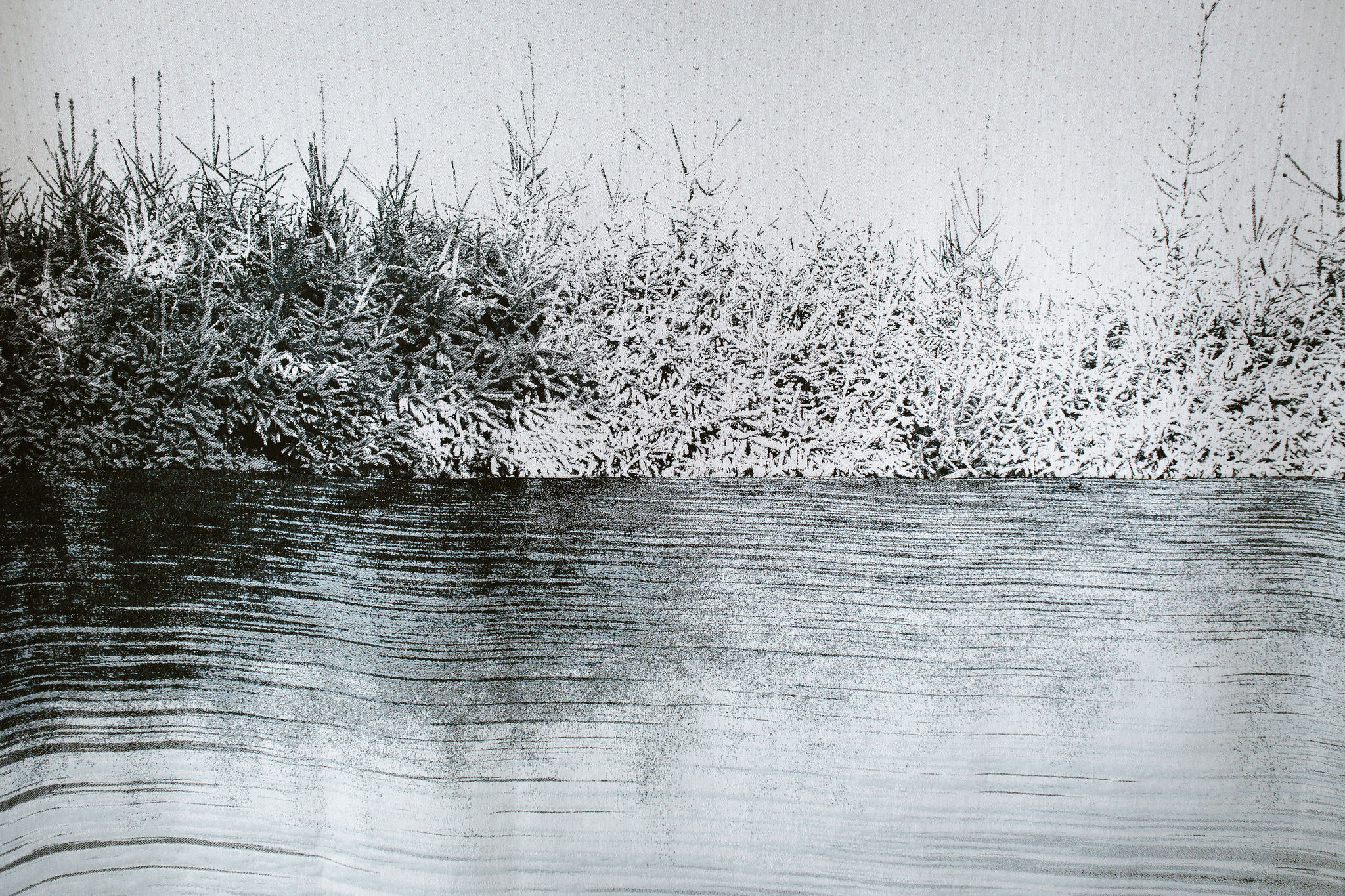
Artudio – Patan Wing, Kathmandu
April 16–23, 2026
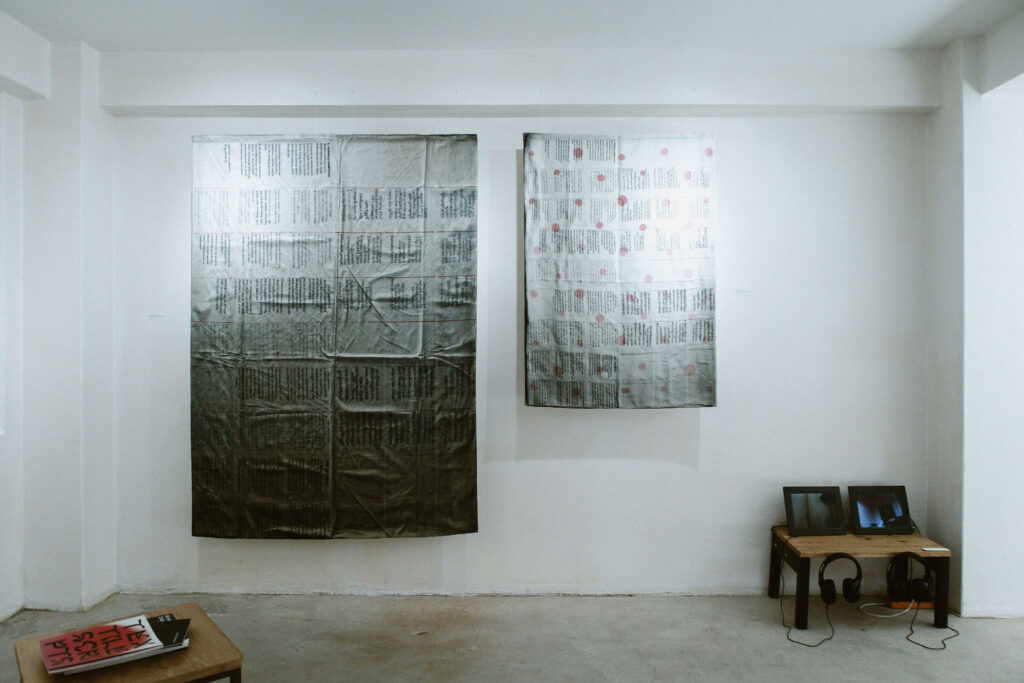
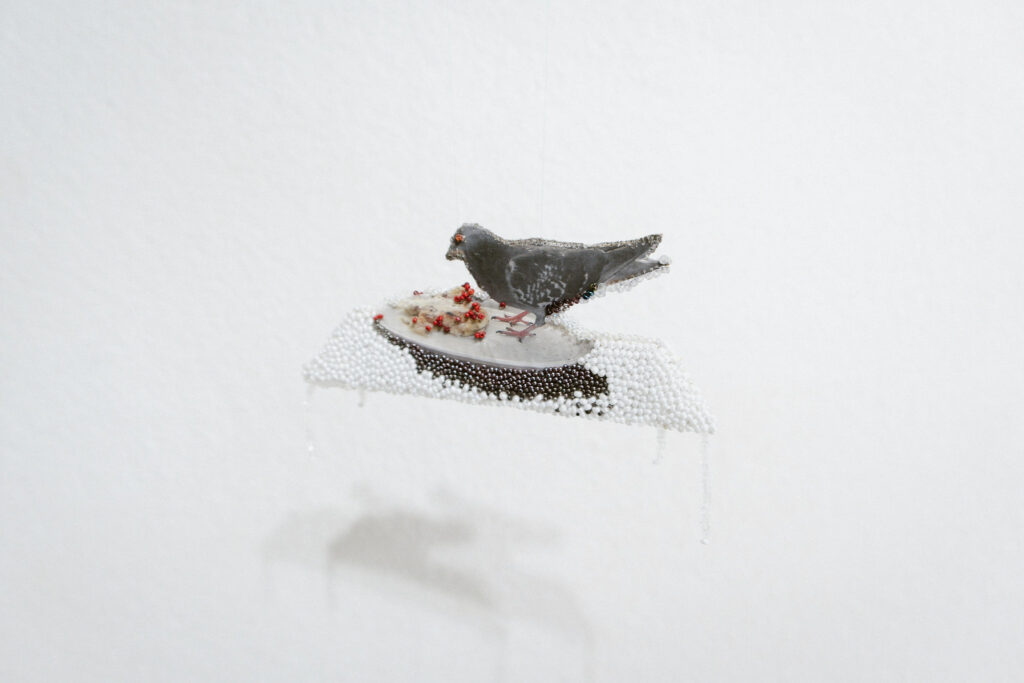
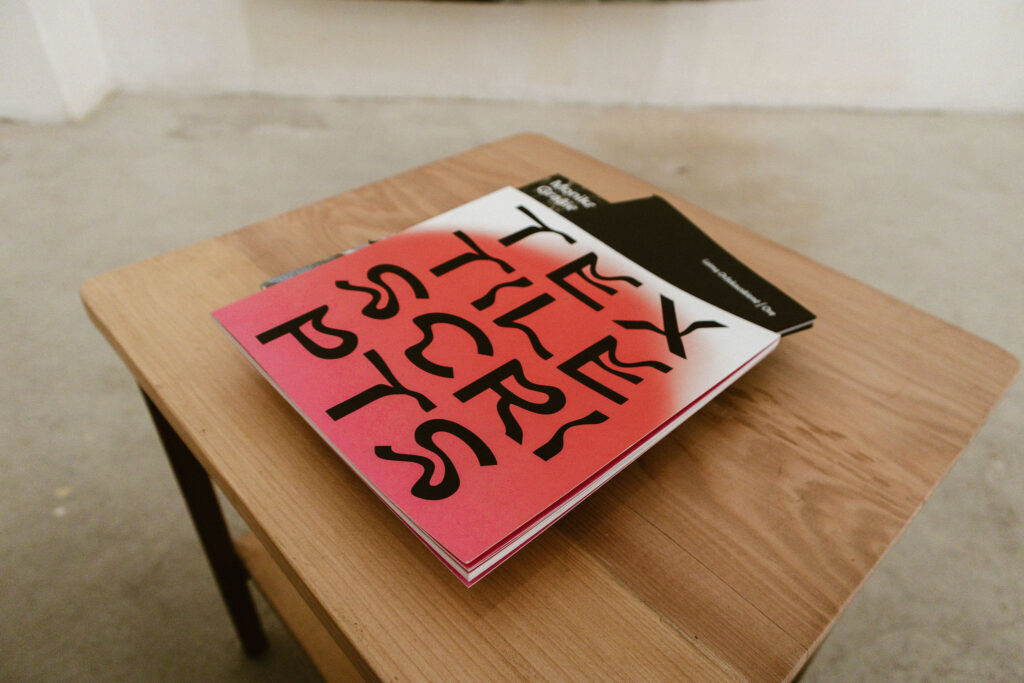
At Artudio’s Patan Wing in Lalitpur, Textile Scripts convened four Lithuanian artists—Laima Oržekauskienė-Ore, Monika Žaltauskaitė Grašienė-Žaltė, Lina Jonikė, and Gerda Liudvinavičiūtė—in a tightly articulated exhibition that positioned textile not as support or surface, but as a generative system of thought. Curated by Odeta Žukauskienė, the project advanced textile as a sensory language with its own grammar and temporal logic—one that operates through rhythm, repetition, and material agency.
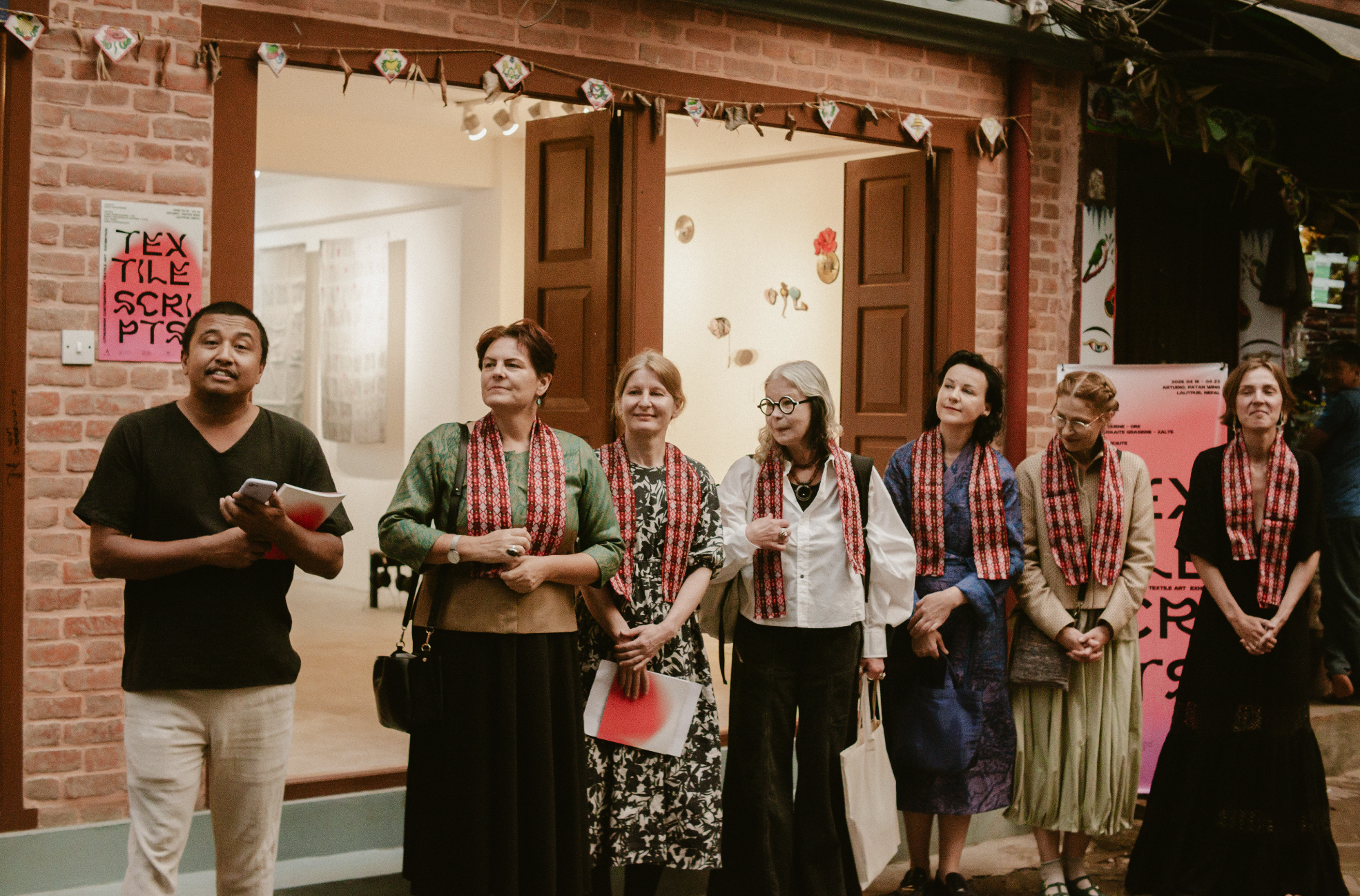
Žukauskienė’s curatorial voice is central to the exhibition’s conceptual architecture. She frames textile as a sensual and performative language, emphasizing its capacity to act—rather than merely represent. Within this framework, fibers and structures emerge as nonhuman agents, producing what she describes as “textile micro-narratives”: spatial, dialogic constellations that unfold through embodied engagement. The exhibition, in this sense, resists a static reading, instead situating textile as a condition one inhabits.
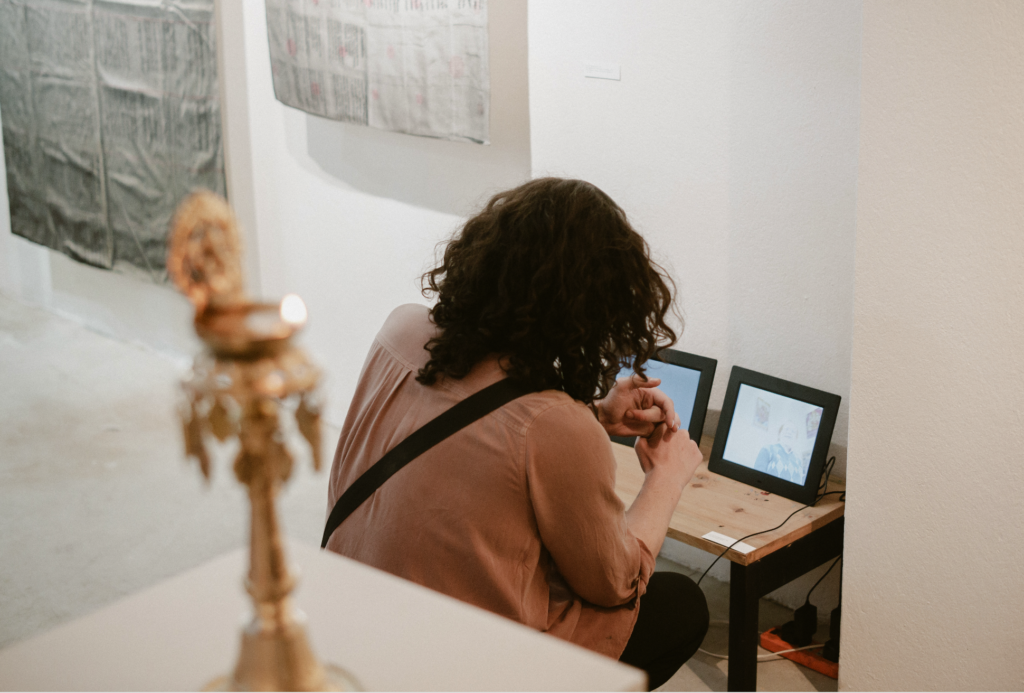
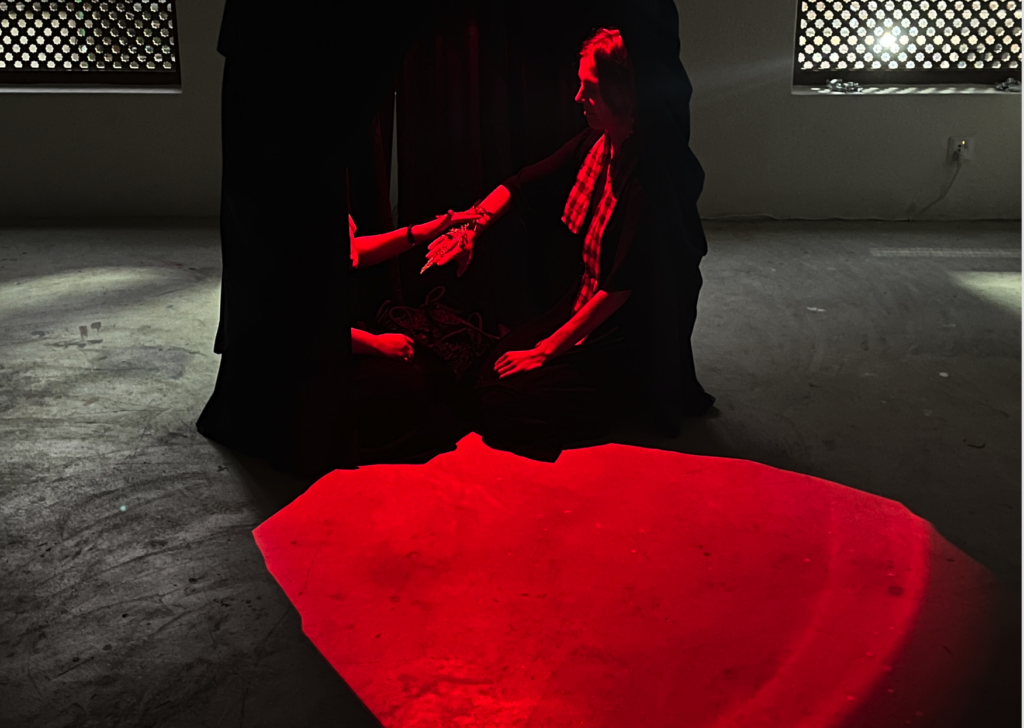
The works collectively articulate a polyphonic field. Oržekauskienė-Ore’s materially dense constructions assert textile as architecture, foregrounding weight, tension, and spatial occupation. Žaltauskaitė Grašienė-Žaltė’s layered surfaces oscillate between concealment and disclosure, where opacity becomes a structuring device. Jonikė’s restrained interventions operate at the threshold of visibility, requiring durational attention. Liudvinavičiūtė—whose prior residency at Artudio catalyzed the exhibition—approaches textile as an iterative methodology, where process itself becomes the site of inquiry.
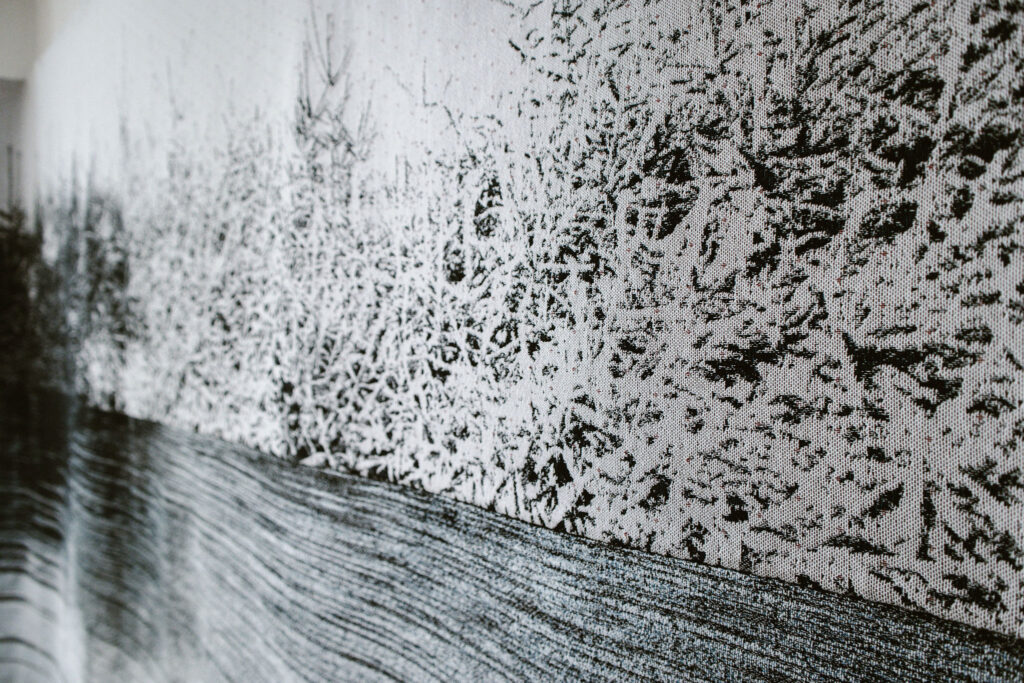
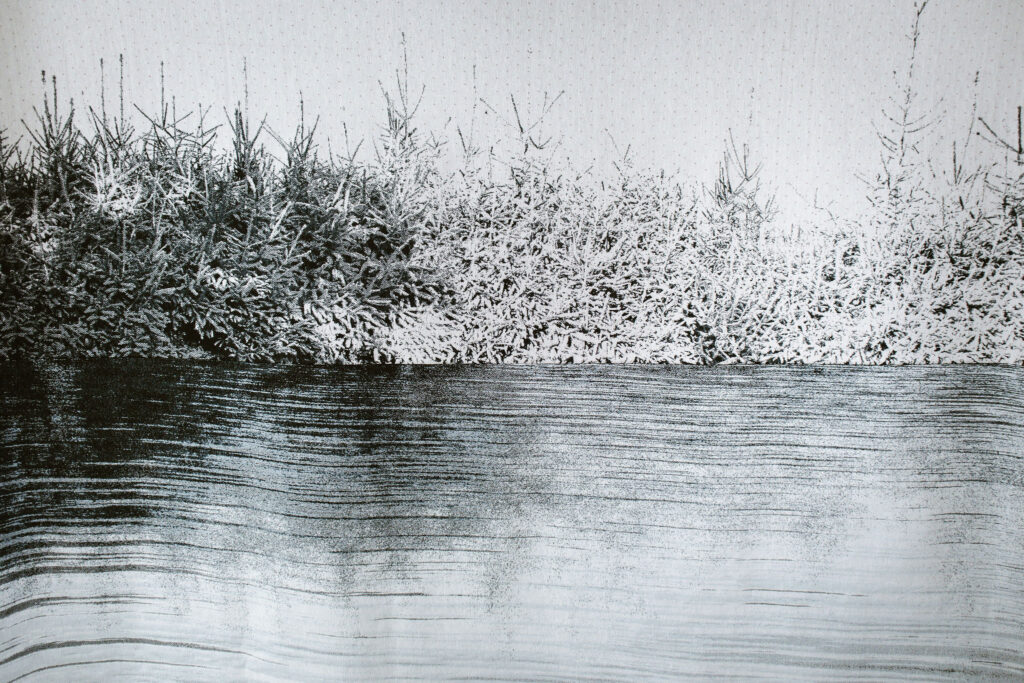
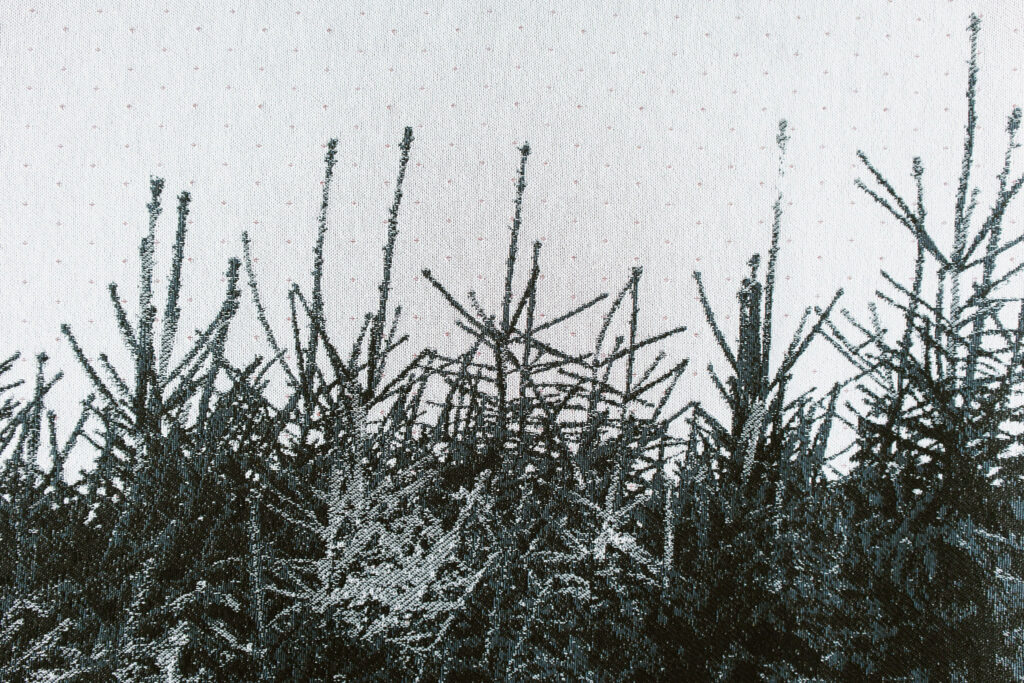
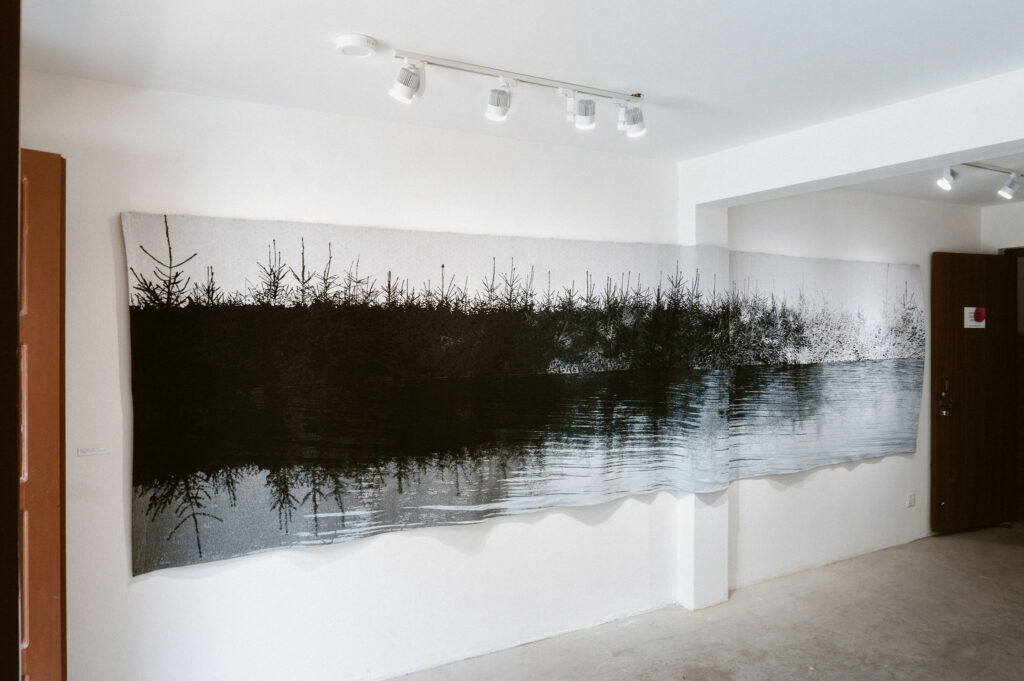
Across these practices, textile emerges as a repository of cultural memory without lapsing into nostalgia. References to Lithuanian mythic structures, ritual rhythms, and ecological entanglements are not illustrated but embedded—held within the material logic of the works. Time, here, is sedimented rather than depicted.
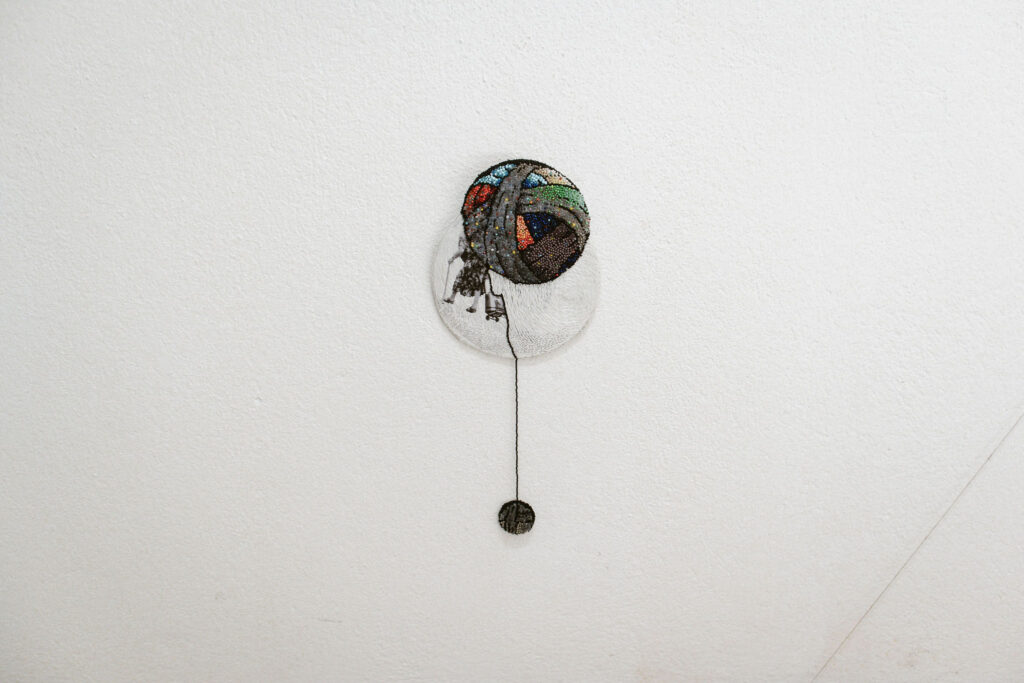
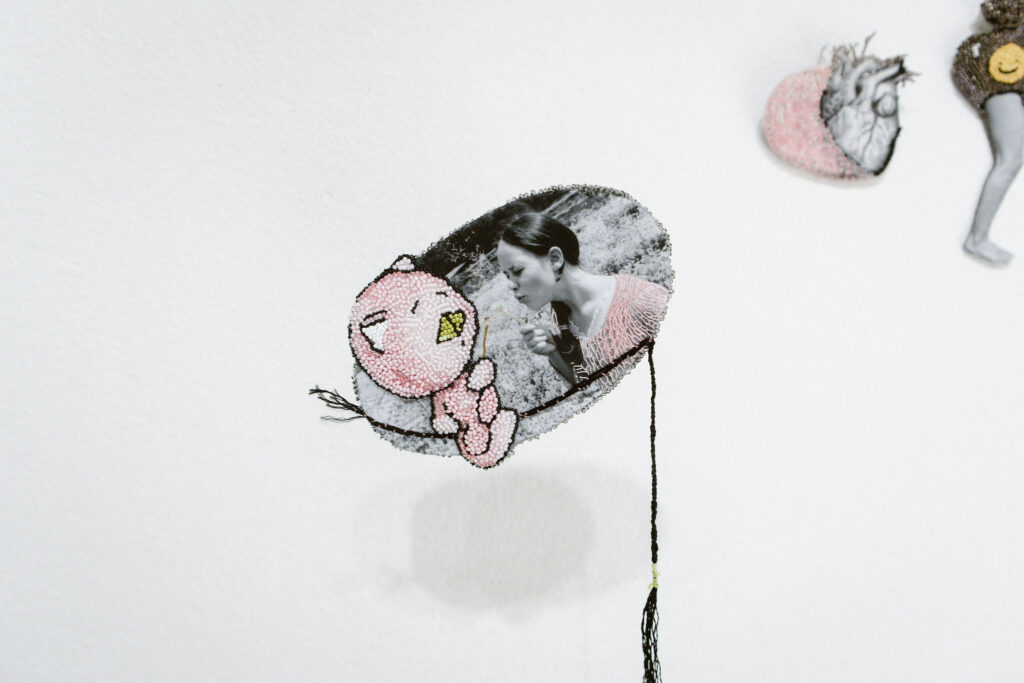
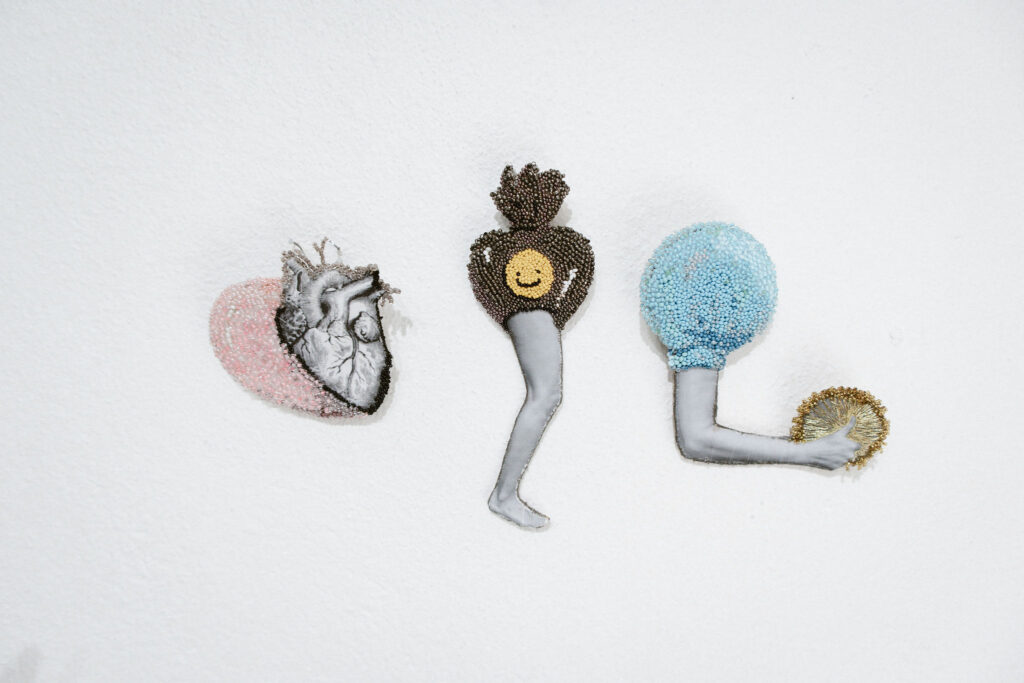
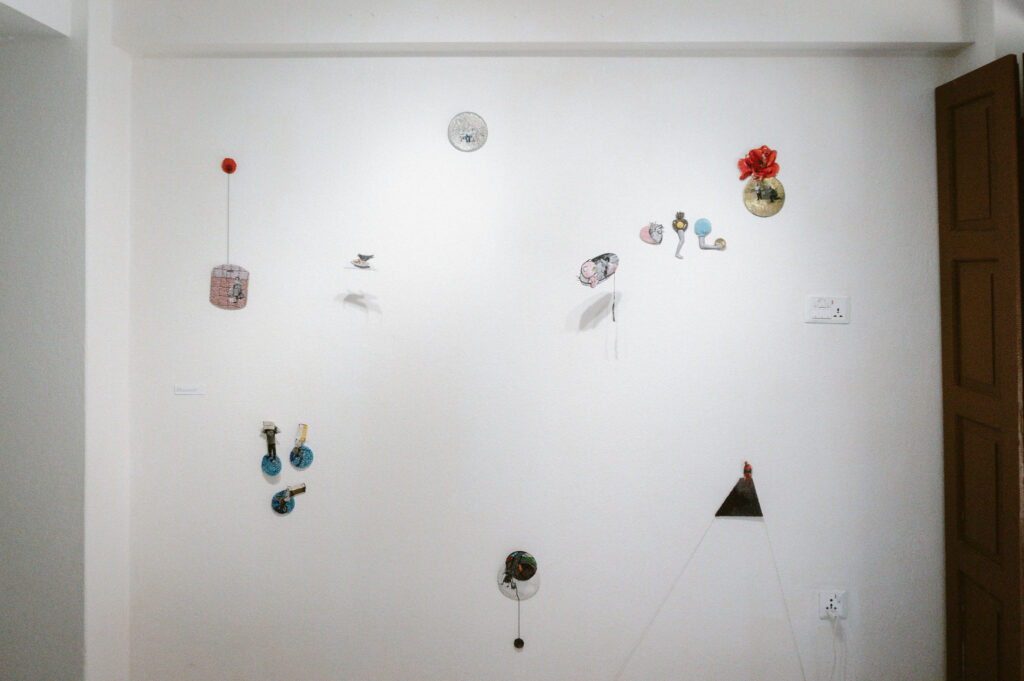
Artudio’s institutional voice—articulated by Kailash K Shrestha and Krisha Tamrakar—extends this framework into a cross-cultural register. Their positioning situates Textile Scripts within Nepal’s own materially grounded knowledge systems, where textile practices are inseparable from lived experience, ritual, and inherited forms of making. Rather than framing the exhibition as a cultural import, they propose it as a site of convergence—where Lithuanian and Nepali contexts intersect through shared material sensibilities.
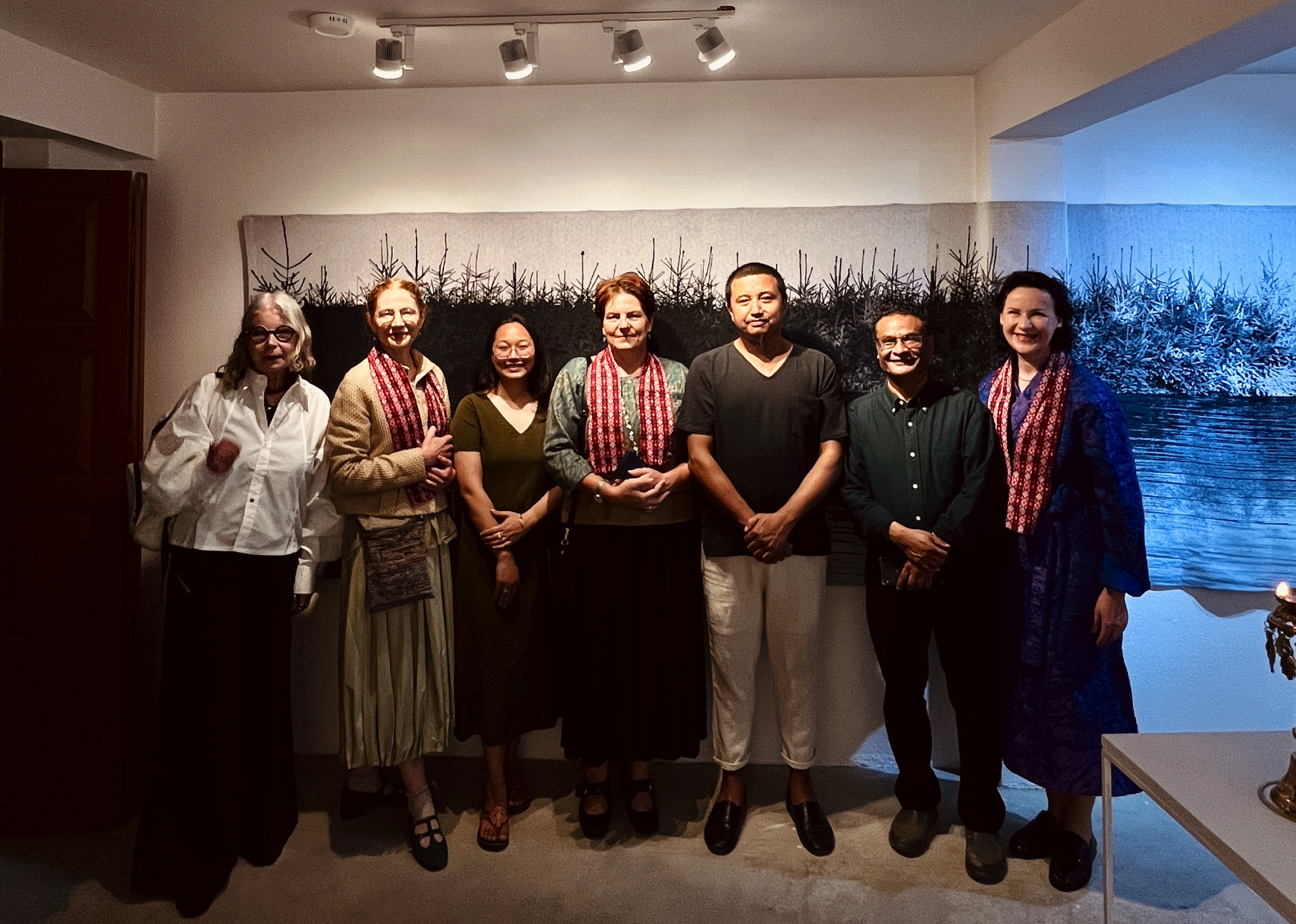
Presented in Lalitpur- a city of Art, the exhibition acquires a distinct resonance. Without collapsing difference, it foregrounds parallel epistemologies: textile as language, as memory, and as a mode of relational thinking. In this alignment, Artudio’s role becomes less that of host and more that of mediator—facilitating an encounter between practices that are geographically distant yet conceptually proximate.
The installation itself resists spectacle. Works are allowed to unfold within their own temporal registers, encouraging a mode of viewing grounded in slowness and proximity. Meaning accrues through duration—through the viewer’s movement and embodied negotiation of space.
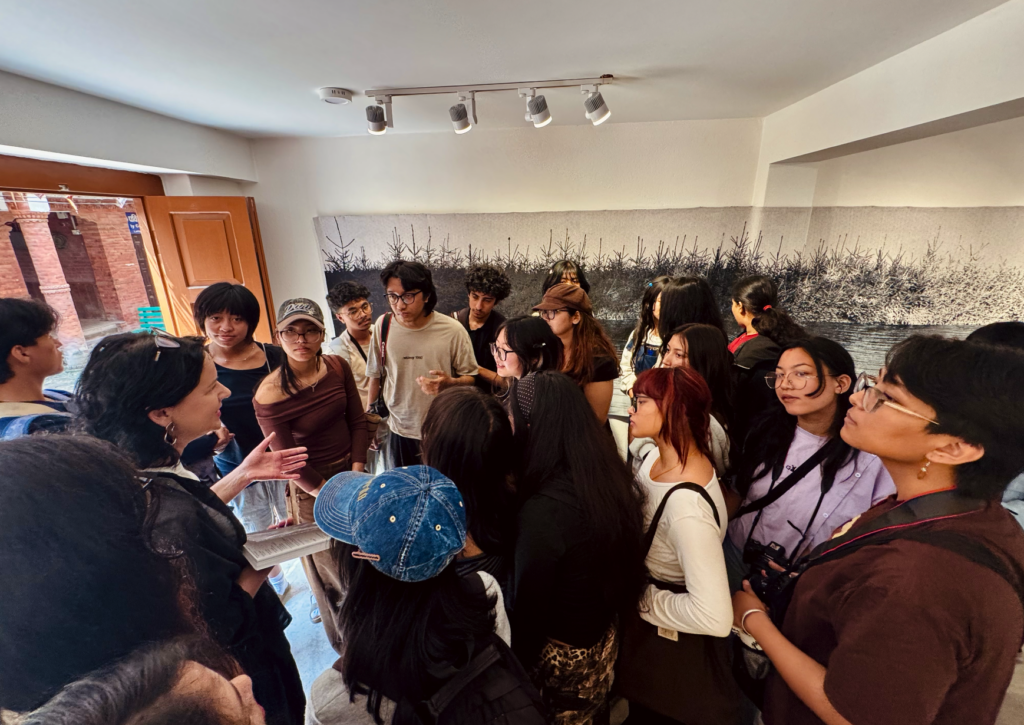
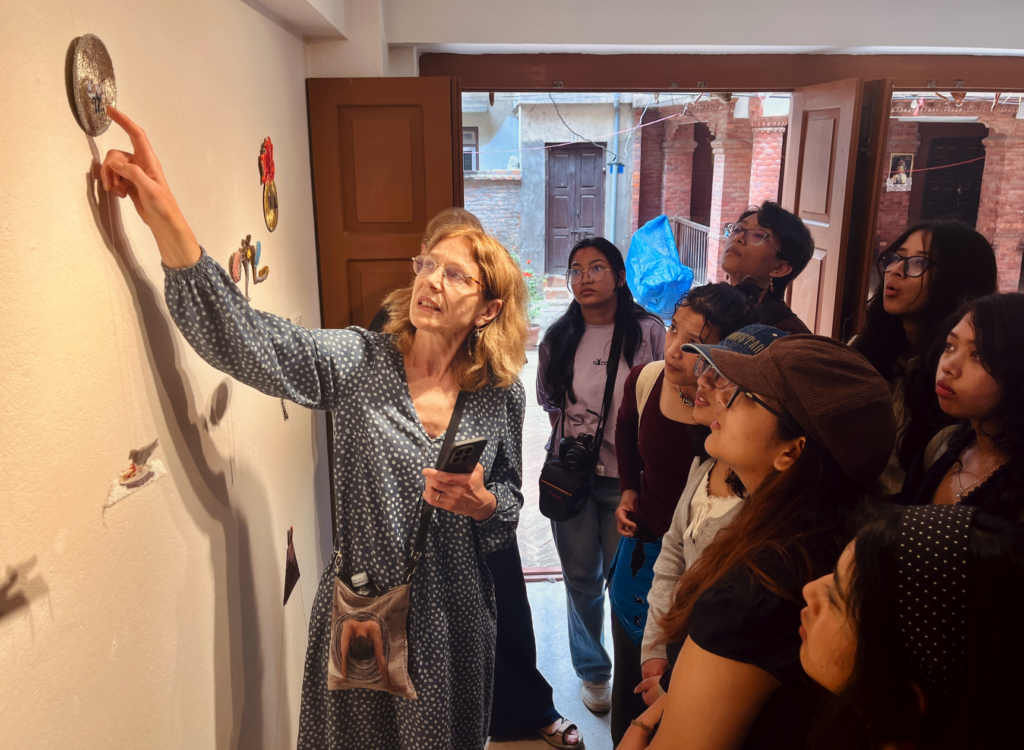
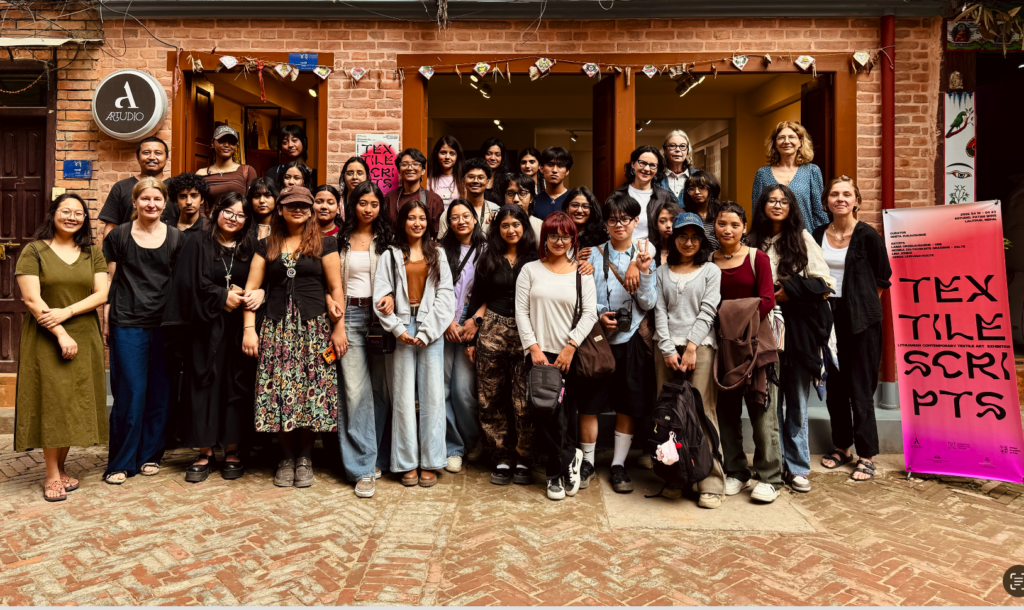
Public engagement further activates this condition. From the opening—attended by H.E. Ambassador Diana Mickevičienė, alongside a cross-section of Kathmandu’s cultural community—to subsequent artist talks and informal encounters, the exhibition functions as a discursive environment. The presence of local audiences introduces multiple interpretive frameworks, grounding the works within everyday relationships to textile as both material and cultural practice.
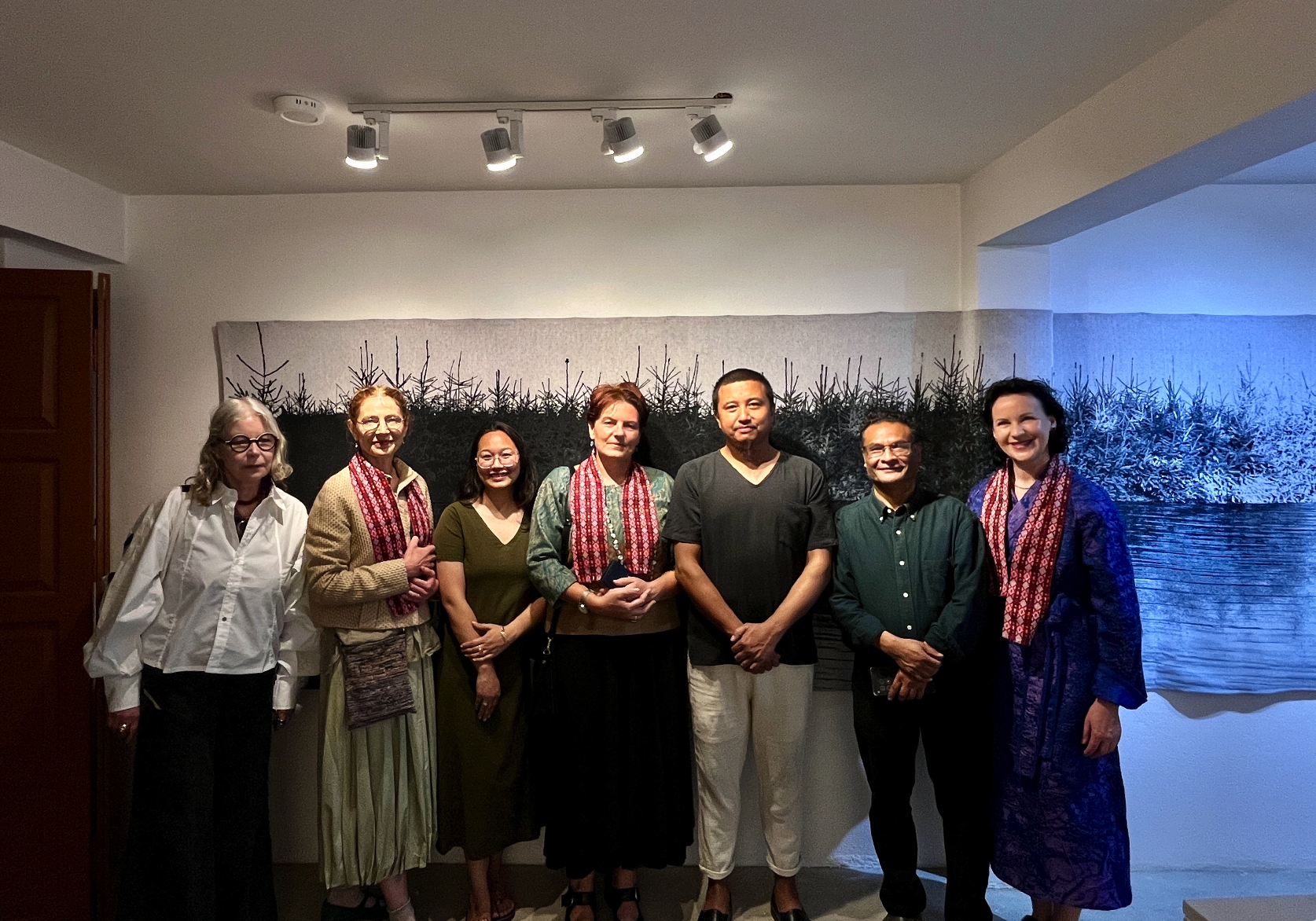
Textile Scripts ultimately aligns with a broader shift in contemporary art toward material intelligence and post-anthropocentric thinking. It suggests that textile—long positioned at the periphery of critical discourse—holds a unique capacity to articulate entanglement: between bodies and environments, histories and futures, the human and the more-than-human.
In Kathmandu, these threads—conceptual and material—do not remain symbolic. They are activated, extended, and set into relation.
Photos: Aayush Nakarmi/ Artudio